
When it comes to working with Fibreglass Reinforced Polymer (FRP) products, selecting the correct resin is crucial for ensuring durability, chemical resistance, and overall performance. Two of the most commonly used resins in the FRP industry are Isophthalic Polyester Resin (also known as IFR) and Vinyl Ester Resin (VER). While both serve as key matrices for fibreglass composites, they each have their own unique strengths and are best suited for different environments.
In this article, we will explore the differences between these two types of resin to help you select the ideal solution for your FRP constructions.
What is Isophthalic Polyester Resin?
Isophthalic polyester resin is a step up from the more basic orthophthalic polyester resin. It’s formulated with isophthalic acid, which gives it superior mechanical properties and improved resistance to water and some chemicals. IFR is widely used in applications where enhanced durability is required but where exposure to highly aggressive chemicals is limited.

Best Environments for Isophthalic Polyester Resin
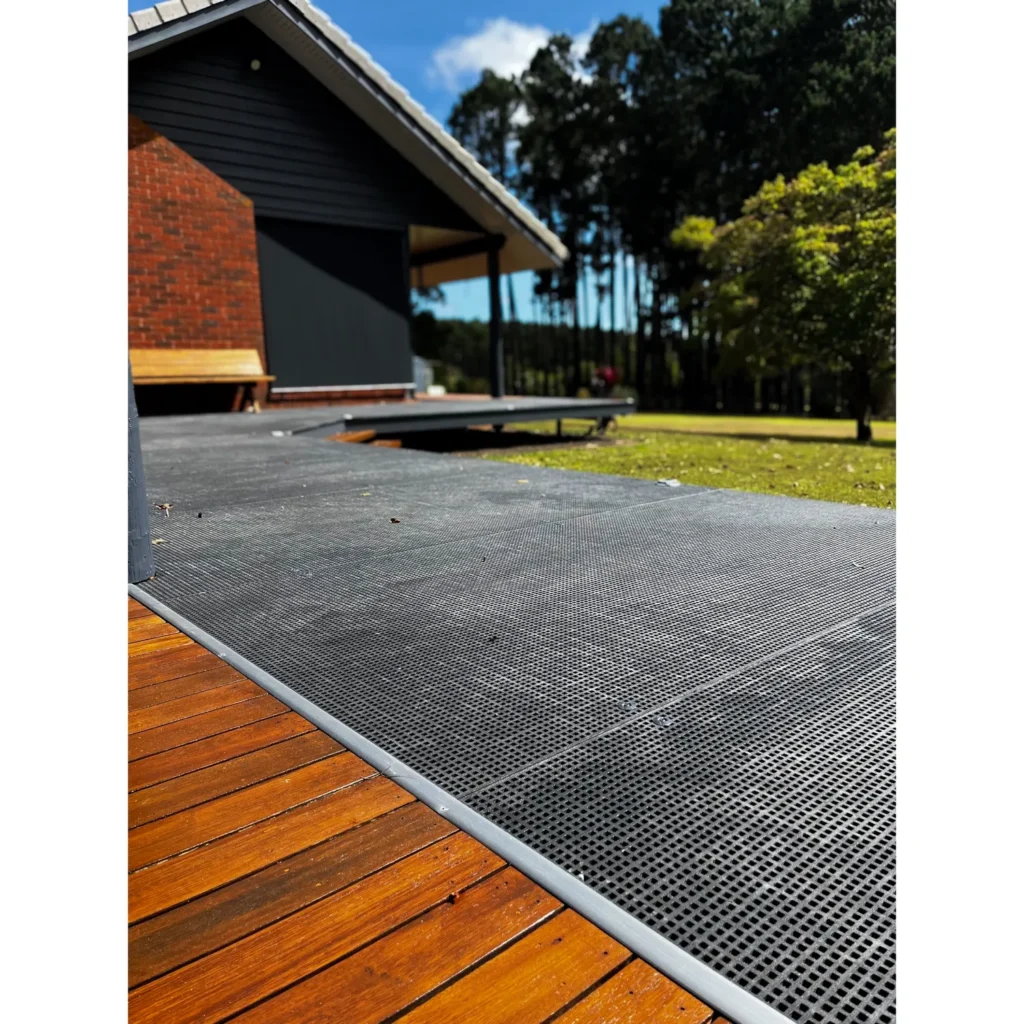
- General-Purpose FRP Products: IFR is ideal for decking, platforms, and structures exposed to mild chemicals or outdoor weather.
- Marine Applications: IFR is resistant to sea air and infrequent saltwater exposure, making it best suited for general marine use, but not for components needing constant or prolonged immersion.
- Structural Components: IFR is often used where a balance of cost and performance is required, and aggressive chemical exposure is not a concern.
What is Vinyl Ester Resin?
Vinyl ester resin is made by the reaction of an epoxy resin with an unsaturated monocarboxylic acid. This unique structure gives vinyl ester resins the combined strength and flexibility of epoxy, along with the ease of handling and cost-effectiveness of polyester resins. Vinyl ester resins are renowned for their exceptional chemical resistance, especially to acids, alkalis, and solvents, making them ideal for protecting FRP products in areas with high chemical exposure.
Best Environments for Vinyl Ester Resin
- Chemical Processing Plants: VER offers outstanding resistance to acids, alkalis, and solvents, making them perfect for FRP structures handling aggressive chemicals.
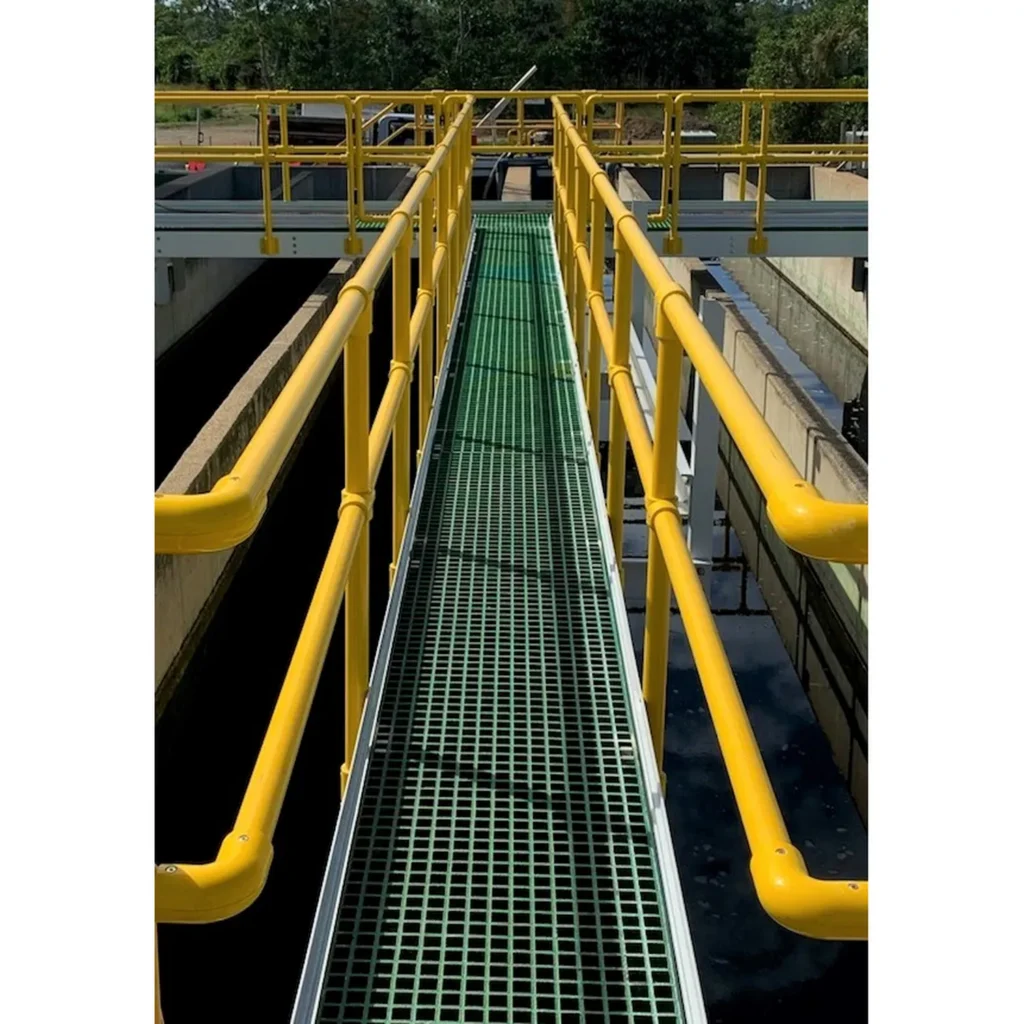
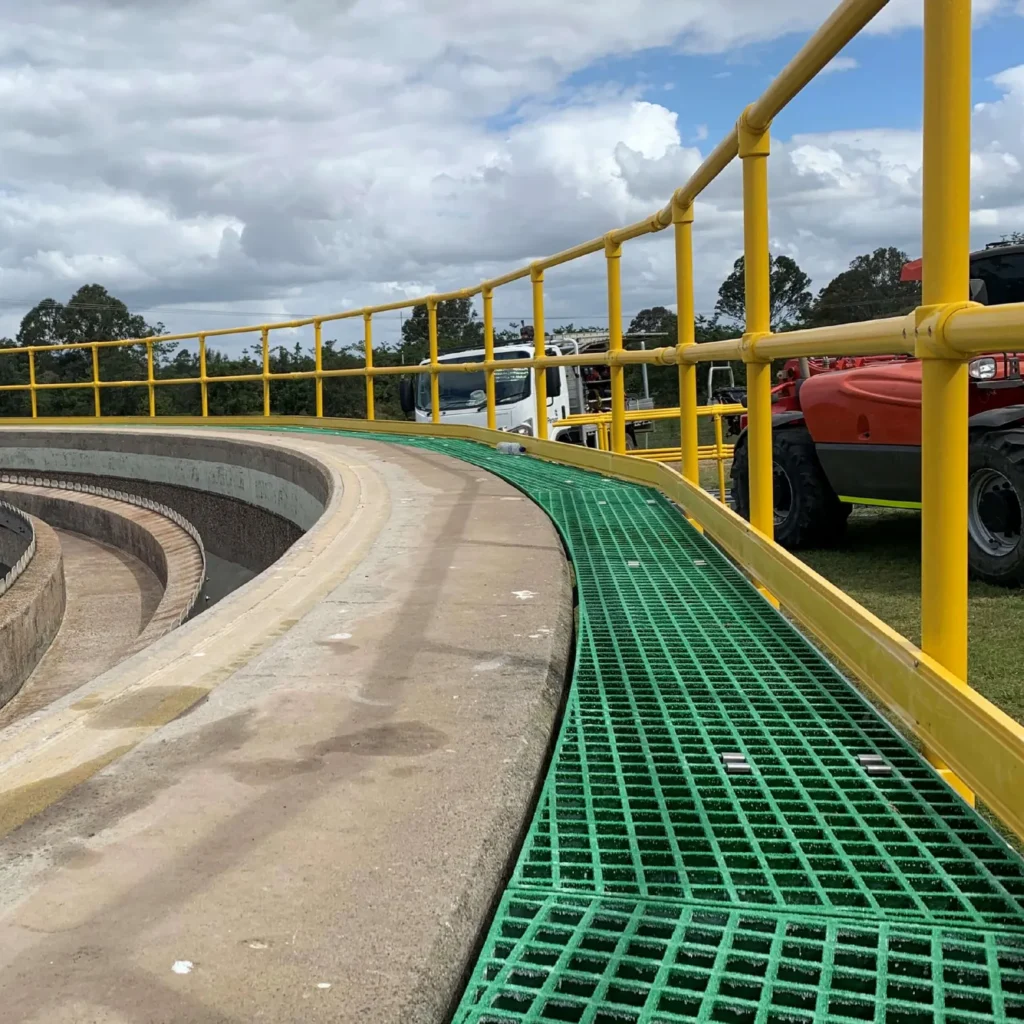
- Corrosive Environments: VER is essential for FRP products exposed to constant or severe chemicals, such as wastewater treatment facilities or mining operations.
- High-Performance Marine Applications: Vinyl ester resin offers superior water resistance and durability for FRP components frequently immersed in water.
- Industrial Flooring & Linings: This resin is ideal for flooring and linings subject to chemical spills or harsh cleaning regimes, such as in processing plants or mine sites.
Choosing the Right Material
Isophthalic polyester resin and vinyl ester resin both offer unique strengths and levels of protection, making them ideal for different applications. The following table simplifies each of their properties:
| Property | Isophthalic Polyester | Vinyl Ester |
| Chemical Resistance | Moderate | Excellent |
| Water Resistance | Good | Very Good |
| Mechanical Strength | Good | Excellent |
| Flexibility | Moderate | High |
| Cost | Lower | Higher |
With each product’s properties in mind, isophthalic polyester resin is often the best choice for applications where your FRP product will be exposed to moderately aggressive conditions, and if you’re working to a tight budget. However, if your application demands the highest level of chemical resistance or durability—such as for builds embedded in concrete or frequently exposed to harsh chemicals and environments—investing in vinyl ester resin is recommended.
Protect Your FRP Structures with the Right Resin
FRP materials are built strong to withstand extreme conditions. However, like any material, the durability and structural integrity can reduce over time if not sealed and maintained properly. Selecting and applying the right resin ensures your FRP products perform reliably for years, no matter what Aussie conditions throw at them!
Need more advice to choose the right solution for your FRP structure? Don’t hesitate to contact our team at GRP Australia for tailored recommendations.