
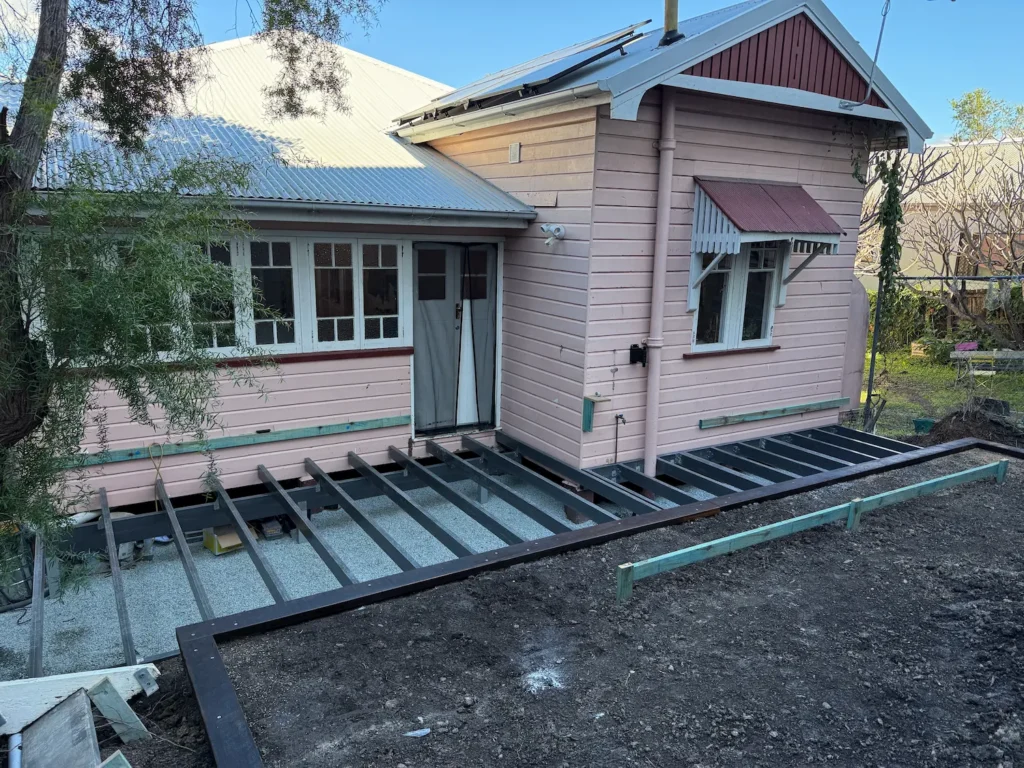
Fibre Reinforced Polymer (FRP) is useful for a wide variety of construction projects, offering a light-weight, high-strength solution. However, like all building materials, proper maintenance is key to maximising its durability and safety over time.
When using FRP for construction projects, it’s almost inevitable that you will need to cut or drill into the material to achieve the desired size and secure fit. While necessary, these modifications can compromise the protective surface. Therefore, it is crucial to seal any cuts and drill holes correctly to prevent deterioration and protect the integrity of your structures over time while exposed to the elements and regular usage.
In this article, we will explore the importance of sealing FRP, the best products and methods for doing so, and expert tips to help you maintain your FRP components.
Importance of Sealing FRP
Sealing cuts and drill holes in Fibre Reinforced Polymer (FRP) components is crucial for several reasons. When FRP materials are fabricated, their protective surface layer is intact and shields the glass fibres within from environmental damage. However, cutting or drilling exposes these glass fibres to moisture, chemicals, and UV light, which can lead to deterioration over time.
If left unsealed, exposed fibres may absorb water, leading to swelling, weakening, and potential delamination of the component. This not only compromises the structural integrity but also reduces the lifespan of the FRP part.
Expert Tips for Sealing FRP Components
Cuts and drill holes in FRP components can be sealed using various materials and techniques, each suited to different applications and environmental conditions. It is important to choose the right material and method for your structure to ensure lasting protection. The two most reliable and widely used sealant solutions are vinyl ester resin and catalyst, and polyurethane aerosol spray.
Vinyl Ester Resin & Catalyst
Vinyl ester resin offers superior chemical resistance and strong adhesive strength, and when combined with a catalyst, forms a durable barrier that locks out moisture and contaminants. This combined protective coating maintains both the strength and performance of the FRP component.
This complete protection is especially essential in corrosive environments—such as chemical plants, marine structures, and public infrastructure—to ensure long-term resistance against aggressive chemicals, saltwater, and harsh weather, thereby preserving structural integrity and durability over time.
Some of the most common applications for vinyl ester resin and catalyst include:
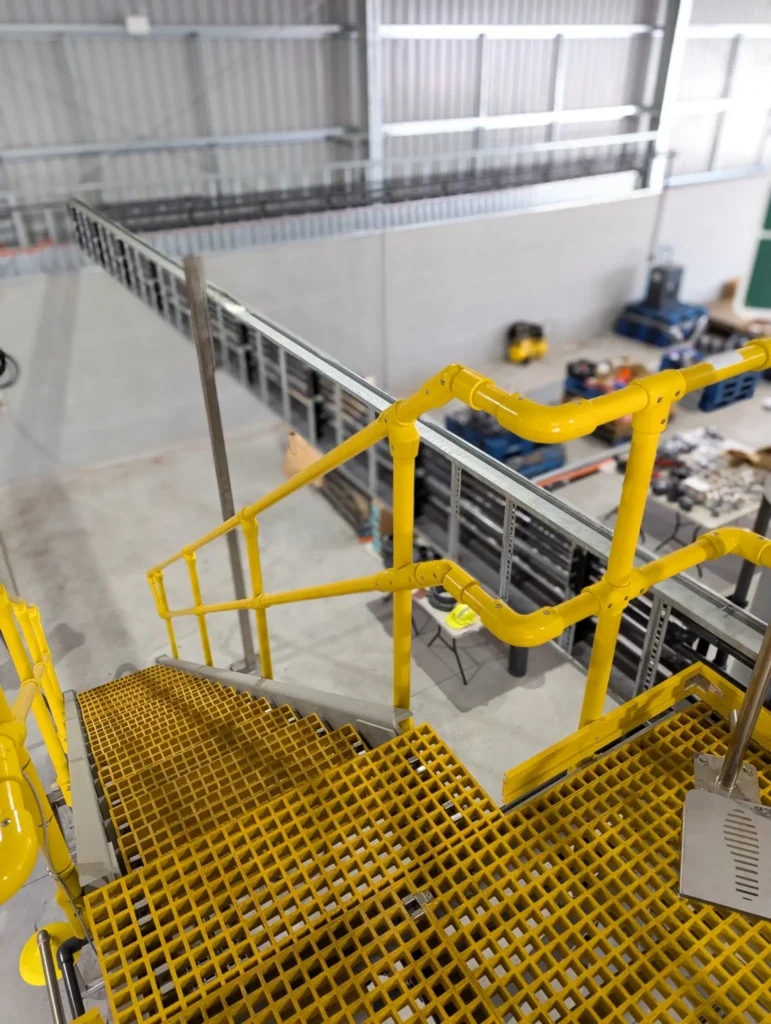
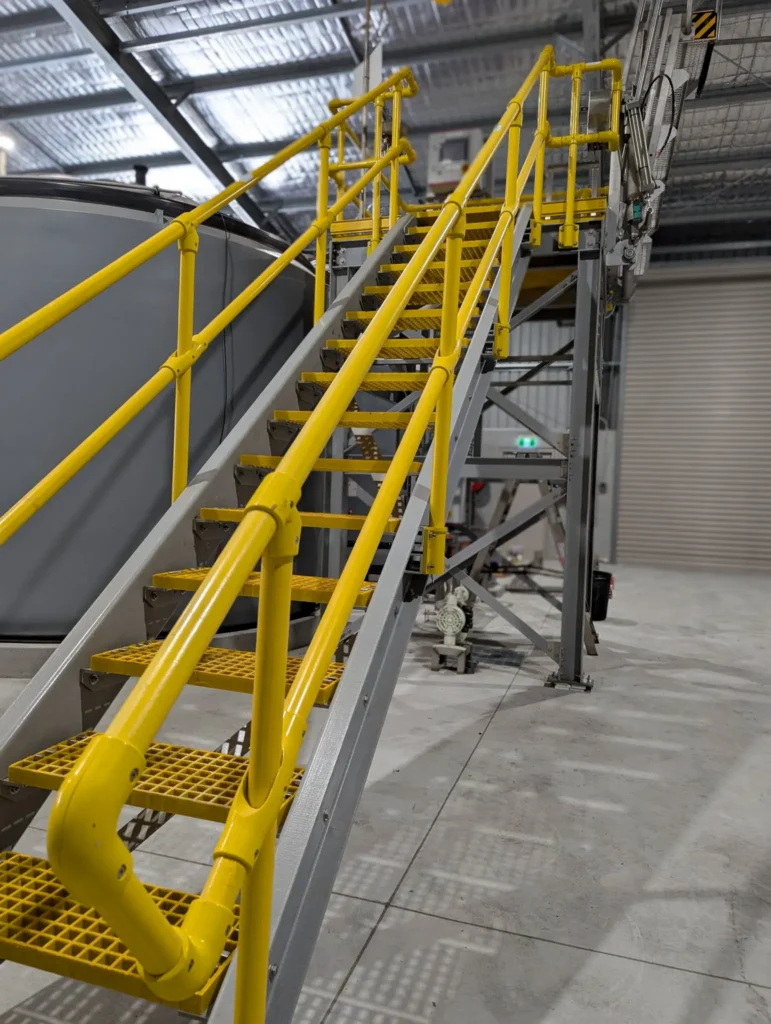
- Industrial Walkways: When installing FRP grating in chemical plants, sealing cut edges and drill holes with vinyl ester resin and catalyst ensures long-term resistance to corrosive spills and harsh cleaning agents.
- Marine Structures: For boat decks or wharves made from FRP panels, using vinyl ester resin on trimmed sections protects against saltwater ingress, preventing swelling and delamination in a demanding environment.
- Structural Supports: When fabricating FRP beams or columns for bridges or public infrastructure, sealing with vinyl ester resin maintains mechanical strength and shields against weathering over many years.

Polyurethane Aerosol Spray
For less demanding applications, a polyurethane aerosol spray can provide a convenient level of protection. This spray coating is simple to apply and offers good protection for projects that are not as exposed to chemicals or harsh environmental conditions.
For typical outdoor applications, a quick coat of polyurethane aerosol spray on cut or drilled FRP surfaces offers convenient moisture protection without the need for complex mixing or curing.
Common applications for polyurethane aerosol spray include:
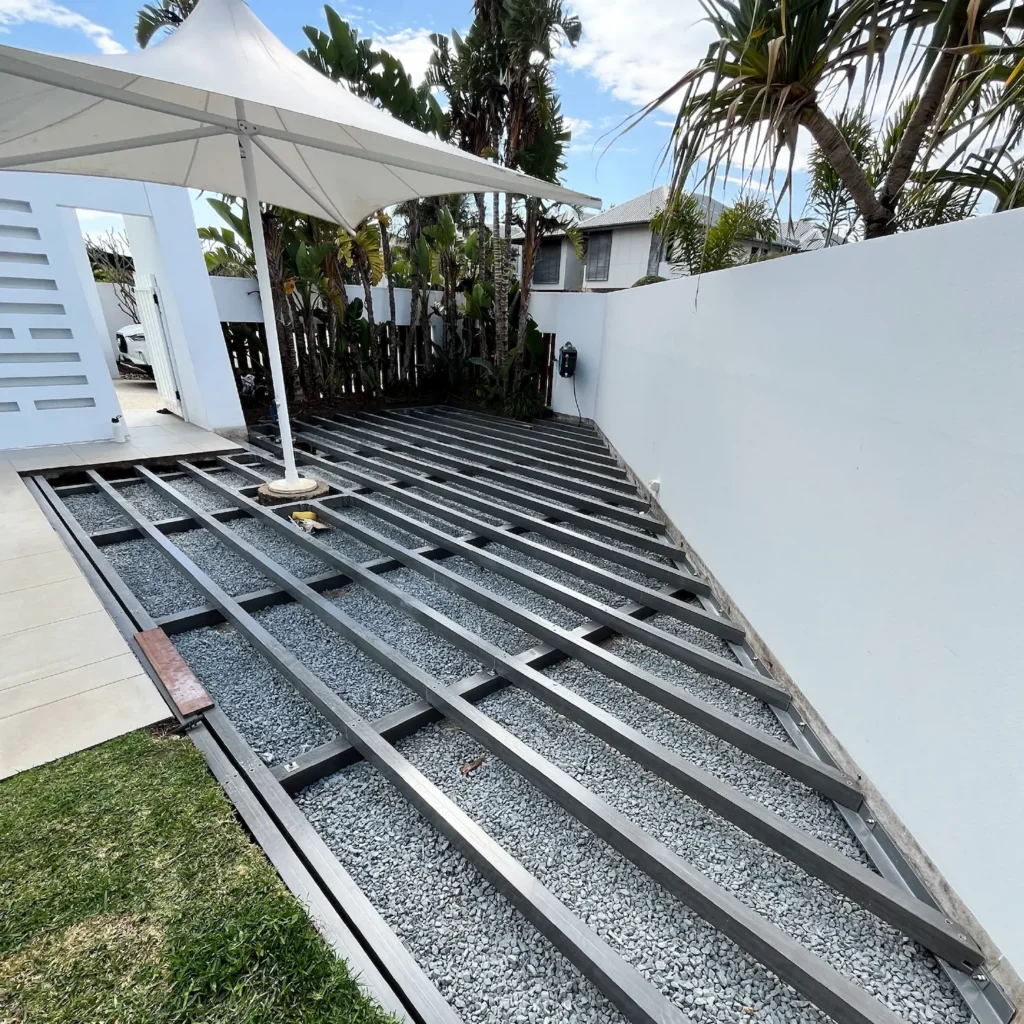
- DIY Home Projects: When cutting and drilling FRP for outdoor decks, platforms, and screening, a quick coat of polyurethane aerosol spray provides moisture protection without the need for complex mixing or curing.
- Lightweight Covers and Panels: For FRP panels installed in sheltered locations, such as storage shed walls or indoor partitions, aerosol spray is sufficient to seal minor cuts and drilled holes, maintaining appearance and basic durability.
- Temporary Installations: If FRP components are being used for short-term setups, event displays, or prototypes, a fast application of polyurethane spray can offer necessary protection without the investment in resin systems.
Protect Your FRP Structures for Long-Term Performance
Using FRP components offers numerous advantages, but proper sealing is essential for maintaining long-term durability and structural integrity. Whether you’re working on a smaller DIY project or a large commercial structure, proper sealant using vinyl ester resin and catalyst or polyurethane aerosol spray is essential to ensure your FRP components stay tough, reliable, and safe for years to come.